Blog
How to Choose the Right Agricultural Blade for Your Farm Equipment
Introduction
Agricultural machinery plays a vital role in modern farming. From sowing to harvesting, every step relies on equipment that saves time and increases efficiency. At the heart of this equipment are blades—small but powerful components that make all the difference. Choosing the right blade for your machine ensures better performance, longer life, and reduced downtime.
Understanding Different Types of Agricultural Blades
There are various types of blades available in the market, each designed for a specific purpose:
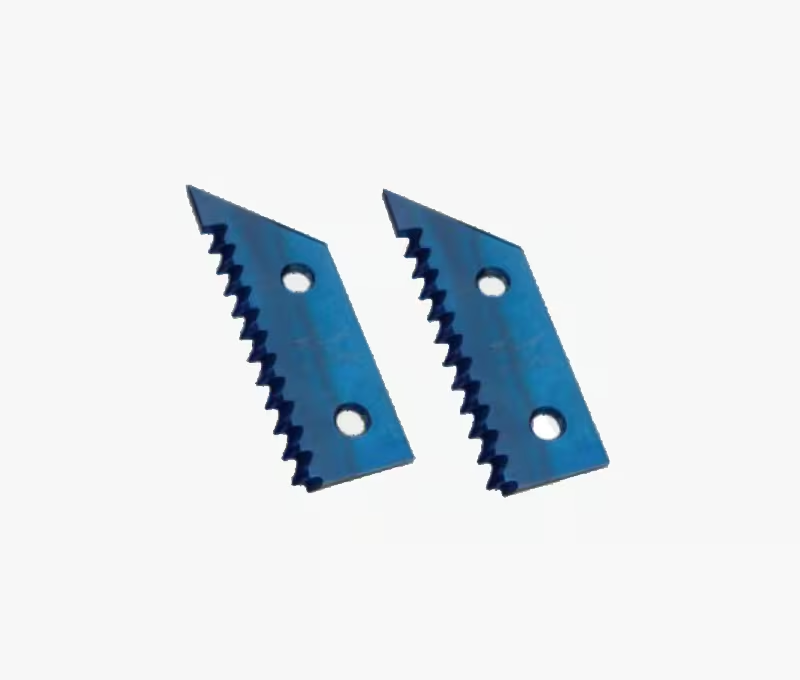
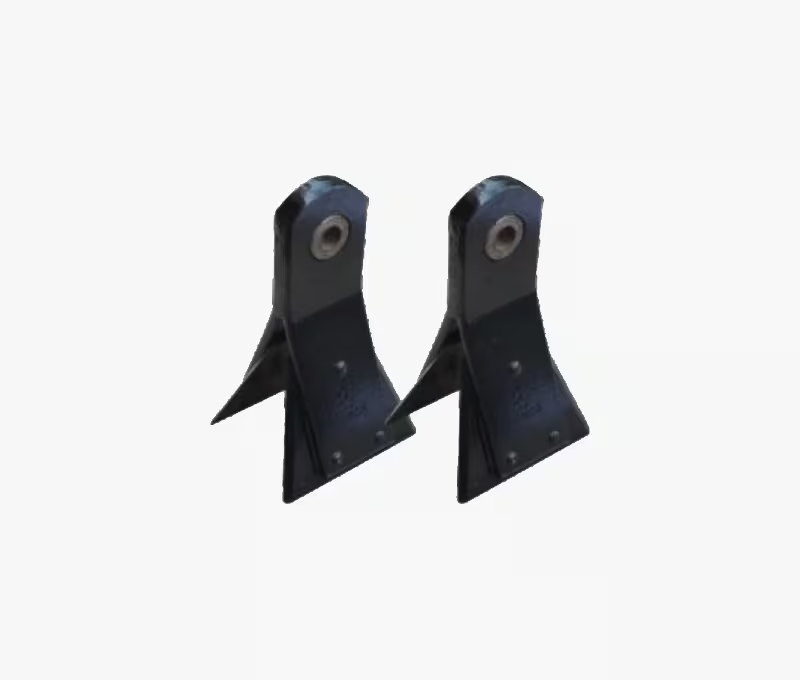
Happy Seeder Blades: Used for residue management and direct seeding into stubble fields.
BCS Blades: Designed for grass-cutting and small-scale harvesting machines.
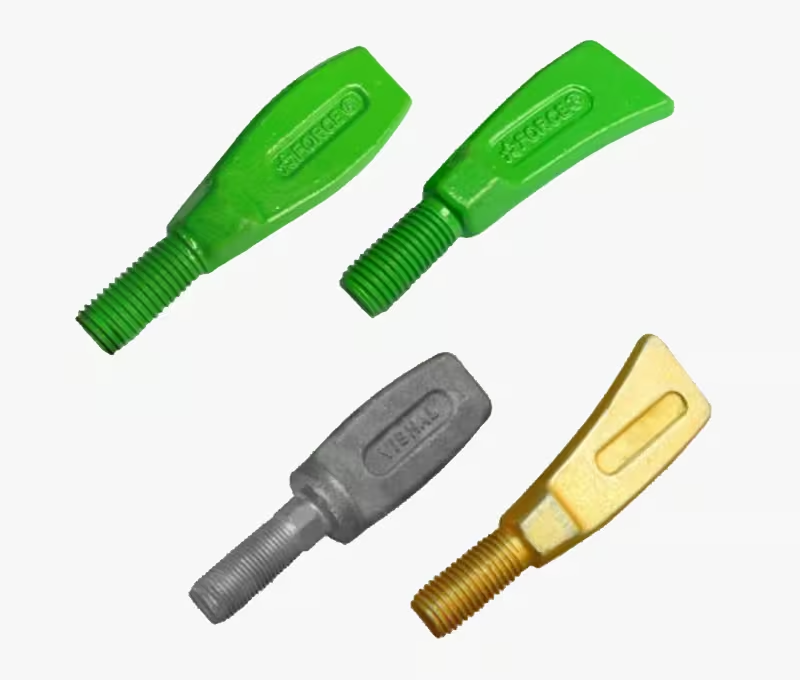
Rotavator Blades: For soil preparation, tilling, and mixing.
Thresher Blades (Kangi): Used in threshing machines for separating grains from husk.
M-Type, SMS, and Class Blades: Known for their versatility and durability in different crop conditions.
Key Factors to Consider When Choosing a Blade
Material Quality – Opt for blades made from high-grade steel to withstand heavy use.
Thickness – Blades come in 2mm, 3mm, 4mm, and more; the right thickness depends on soil type and crop.
Compatibility – Always check the blade is suitable for your machine model.
Durability – A stronger blade reduces the frequency of replacement.
Cost-Effectiveness – A quality blade may cost more upfront but saves money in the long run.
Common Mistakes Farmers Make
Buying cheap, low-quality blades that wear out quickly.
Ignoring machine specifications and forcing blades that don’t fit properly.
Not replacing blades on time, which reduces machine efficiency.
Why Star Force Blades?
At Star Force Engineering Co., we design blades with precision engineering and strict quality control. Whether it’s a Happy Seeder blade or a rotavator blade, each product is tested to handle tough field conditions and deliver maximum efficiency.
Conclusion
The right blade is not just a part—it’s an investment in your productivity. By choosing wisely, farmers can ensure smooth operations, better crop results, and reduced maintenance costs.